Reclaimed Land Restoring ground, rebuilding communities.

Reclaimed Land

Restoring ground, rebuilding communities.

Latest Articles

Paper Walls: The Zoning Codes That Keep Cleaned Land Out of Reach
Environmental Justice

Paper Walls: The Zoning Codes That Keep Cleaned Land Out of Reach

Millions of dollars in remediation can render a parcel safe, but no amount of excavation erases the ink on a zoning map. Across the country, outdated industrial designations and perpetual deed restrictions are keeping restored land fenced off from the housing, gardens, and schools communities actually need.
Lessons After the Last Bell: Relocating a School Off Poisoned Ground
Environmental Justice

Lessons After the Last Bell: Relocating a School Off Poisoned Ground

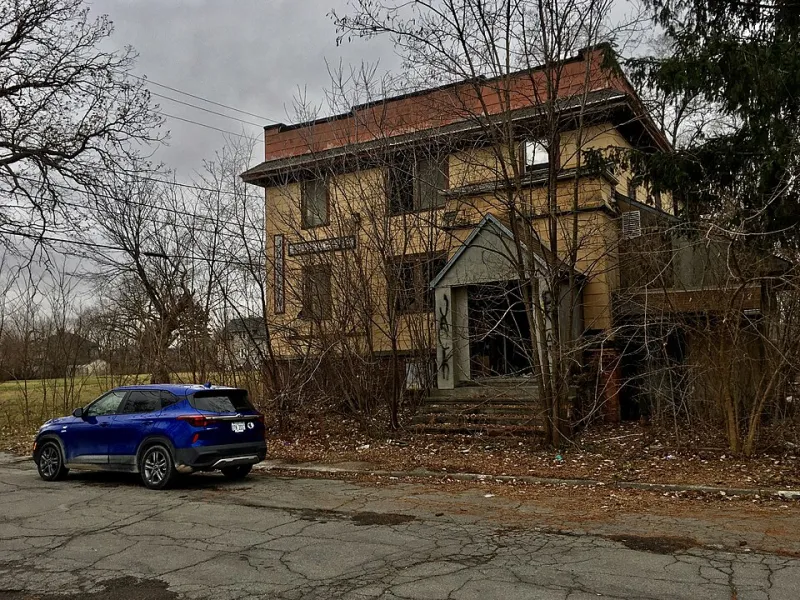
When soil tests revealed contaminants beneath an elementary campus, one district faced a question few American schools ever confront: can a building itself become unteachable? This account traces the district from the first anomalous sample through the abandonment of its school and the slow reckoning over who bears the cost.

Fine Print on Filled Ground: What Homebuyers Learn — and When — About Landfill Housing
Environmental Justice

Fine Print on Filled Ground: What Homebuyers Learn — and When — About Landfill Housing

Across the country, subdivisions and apartment complexes rise on capped landfills and remediated industrial parcels, yet the paperwork a buyer signs rarely spells out what lies beneath. This piece follows homeowners who learned their lots' history after closing and asks whether disclosure laws protect buyers or merely shield sellers.

Waiting Out the Decades: The Families Who Grew Old Beside a Superfund Site
Environmental Justice

Waiting Out the Decades: The Families Who Grew Old Beside a Superfund Site

For forty years, the farming families of a contaminated valley have watched lawyers, agencies, and contractors come and go while their fields sat idle. Now, as the cleanup nears its end, a generation in its seventies must decide whether the land is finally safe to plant — or whether to hand the question to their children.

Fruit Without Permission: The Century-Old Trees Outliving the Rust Belt's Worst Land
Restoration Projects

Fruit Without Permission: The Century-Old Trees Outliving the Rust Belt's Worst Land

On vacant industrial parcels from Youngstown to Saginaw, apple and pear trees planted generations ago still flower and bear fruit. Soil scientists and community foragers are asking what these ghost orchards reveal about natural recovery — and whether patience can succeed where remediation budgets fail.

Common Ground, Hard Questions: When a Corporation's Empire Becomes Everyone's Land
Environmental Justice

Common Ground, Hard Questions: When a Corporation's Empire Becomes Everyone's Land

Across the country, land once held by a single employer is being handed back to the public through trusts and commons agreements. But who gets a seat at the table when the fences come down — and who inherits the risk?

Cultures in a Jar: The Gardeners Trading Microbes to Bring Dead City Soil Back to Life
Restoration Projects

Cultures in a Jar: The Gardeners Trading Microbes to Bring Dead City Soil Back to Life

Across the country, urban gardeners are swapping compost teas, fungal cultures, and native soil inoculants in an effort to restart biology on degraded lots. Microbiologists say some of it works — and some of it is folklore. The harder question is where citizen bioremediation ends and formal cleanup begins.

Rows of Doubt: Farming on a Valley Floor Built From Smelter Waste
Environmental Justice

Rows of Doubt: Farming on a Valley Floor Built From Smelter Waste

In a valley where smelter slag drifted onto fields for most of a century, one family keeps planting — and keeps testing. Their story exposes a quiet gap in American food oversight: small farms on legacy-contaminated soil largely fall outside the safety net.

The Wind's Ledger: Tracking Legacy Contaminants Through America's Former Mill Towns
Environmental Justice

The Wind's Ledger: Tracking Legacy Contaminants Through America's Former Mill Towns

Long after the smokestacks came down, the dust they left behind is still moving — through storm drains, floodplains, and backyards. In towns from Maine to Ohio, scientists and residents are tracing contamination that the responsible parties will never pay to clean.

Invisible Rivers: The Aquifers That Outlive Every Redevelopment Deadline
Environmental Justice

Invisible Rivers: The Aquifers That Outlive Every Redevelopment Deadline

A freshly graded lot and a strip of new sod can hide decades of dissolved contamination moving silently below. As Rust Belt towns rebuild on their industrial pasts, hydrogeologists warn that the cleanup clock and the groundwater clock are set to very different times.

Nobody Budgets for Forever — and That's the Flaw in Every Reclamation Deal
Environmental Justice

Nobody Budgets for Forever — and That's the Flaw in Every Reclamation Deal

Every capped landfill and remediated brownfield carries an invisible invoice: decades of mowing, monitoring, and repair. When the grants run out, that bill lands on the communities least equipped to pay it. It is time to treat perpetual care as a non-negotiable line item, not an afterthought.

Under the Lights, Over the Leachate: How Stadiums Ended Up on America's Worst Land
Restoration Projects

Under the Lights, Over the Leachate: How Stadiums Ended Up on America's Worst Land

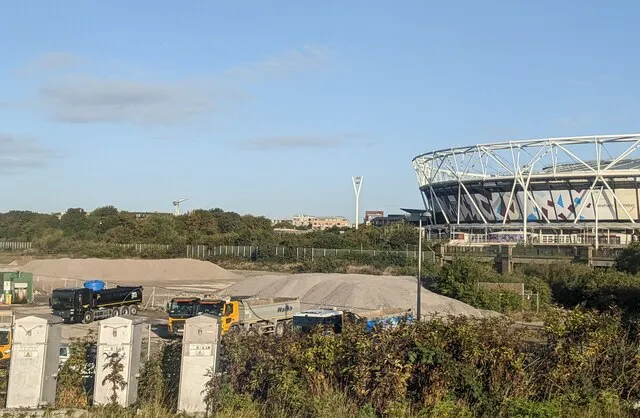
Major sports venues are increasingly rising on former industrial sites, from retired smelters to abandoned railyards. We follow one project from soil borings to opening night to understand what it takes — financially and structurally — to build a cathedral of entertainment atop a legacy of contamination.

Where 'Away' Runs Out: Inside the Bunkers Holding America's Poisoned Soil
Restoration Projects

Where 'Away' Runs Out: Inside the Bunkers Holding America's Poisoned Soil

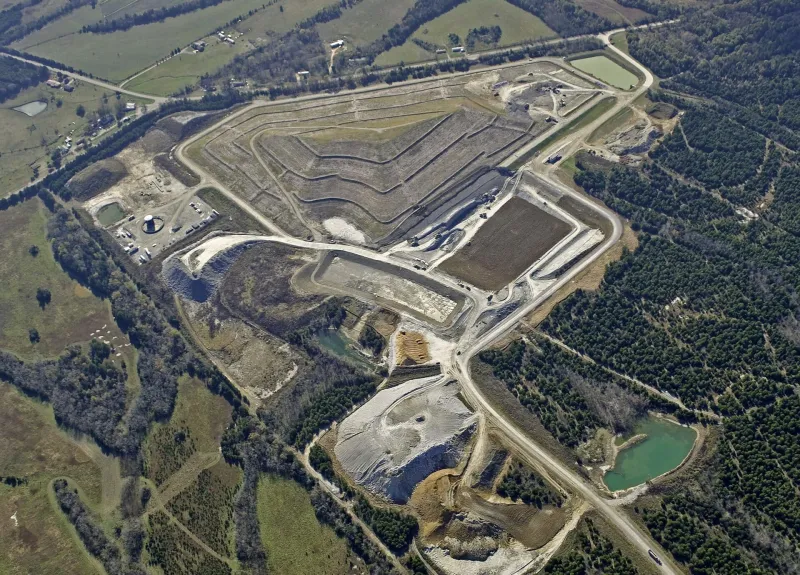
Across the country, excavated contaminated dirt sits in engineered confinement — sometimes for decades — while engineers and watchdog groups keep watch. Now several major facilities are nearing capacity, and the question of where 'away' actually is has become impossible to avoid.

Say What You Mean: The Case for Retiring 'Brownfield Redevelopment' From Our Vocabulary
Environmental Justice

Say What You Mean: The Case for Retiring 'Brownfield Redevelopment' From Our Vocabulary

'Brownfield redevelopment' is the polite phrase planners reach for when formerly industrial land changes hands. This opinion piece argues the jargon launders a harder truth — and offers a plainer way to talk about the land, the harm, and the people who stayed.

Roots at Work: Five Plants That Pull Toxins Out of American Soil
Restoration Projects

Roots at Work: Five Plants That Pull Toxins Out of American Soil

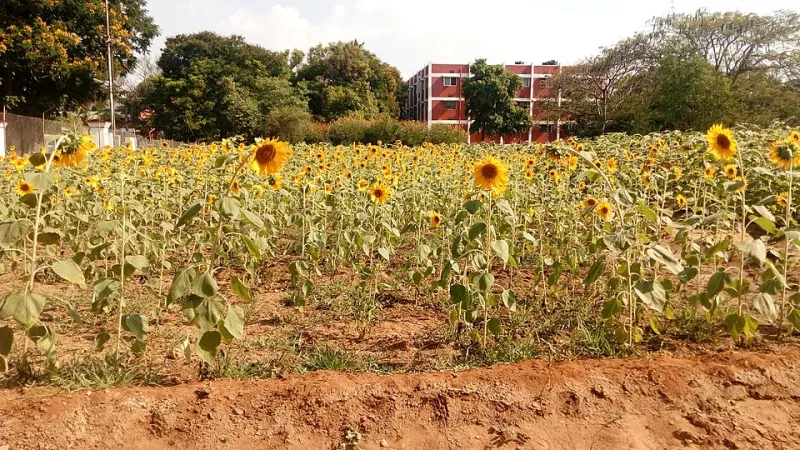
Phytoremediation won't replace excavators, but in the right conditions, sunflowers, willows, and poplars can quietly strip lead, arsenic, and petroleum from contaminated ground. Here's what the science supports — and where the enthusiasm outruns the evidence.

When the Polluter Walks Away: Following the Money After Corporate Bankruptcy
Environmental Justice

When the Polluter Walks Away: Following the Money After Corporate Bankruptcy

When a mining operator or chemical manufacturer files for Chapter 11, the land it degraded doesn't file for anything. This investigation traces how cleanup obligations dissolve in bankruptcy court and reappear as line items on public budgets.

A Swing Set on a Cap: Rethinking Parks Built Over Contamination
Environmental Justice

A Swing Set on a Cap: Rethinking Parks Built Over Contamination

Cities across the country are converting poisoned industrial land into ballfields and greenways, celebrating the savings and the greenery. But a park is not a cleanup — and the communities living on top of these engineered caps deserve to know exactly what bargain they've struck.

Where Does Clean Fill Really Come From? Tracing the Soil Trade's Murky Supply Chain
Restoration Projects

Where Does Clean Fill Really Come From? Tracing the Soil Trade's Murky Supply Chain

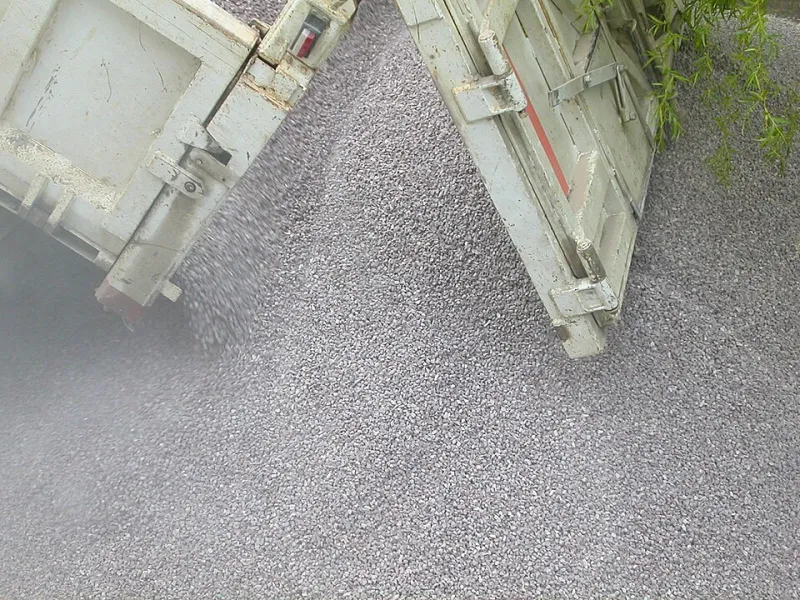
Every year, millions of cubic yards of topsoil move through an American marketplace that barely keeps records. We follow the dirt from construction-site stripping to suburban delivery, and meet the soil scientists trying to make the trade honest.

Strangers to the Land: How Fuzzy Property Rights Keep Thousands of Mine Sites Poisoned
Environmental Justice

Strangers to the Land: How Fuzzy Property Rights Keep Thousands of Mine Sites Poisoned

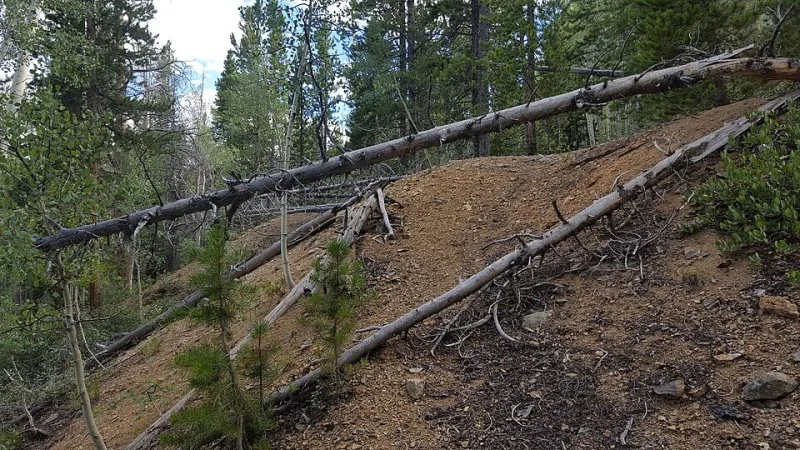
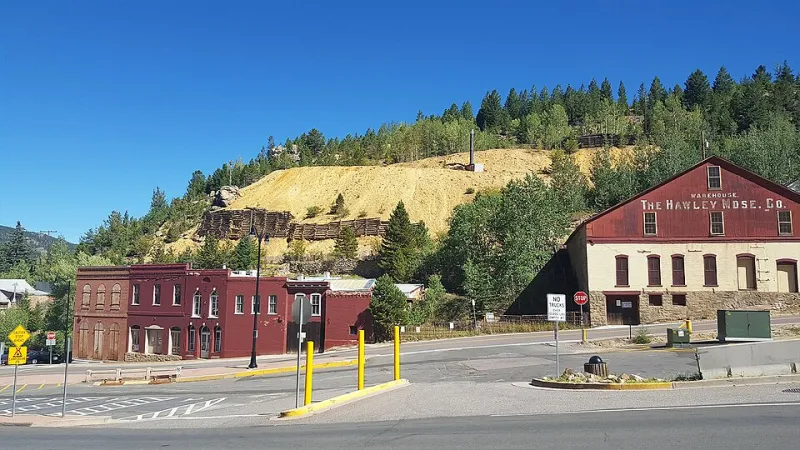
Across the American West, tens of thousands of abandoned hardrock mines sit in a legal gray zone where no one will accept responsibility for cleanup. We trace one Colorado site's decade of delay to understand who benefits from the ambiguity — and who pays for it.

Shovels Before Permits: Neighborhood Teams Rebuilding Their Soil From the Ground Up
Restoration Projects

Shovels Before Permits: Neighborhood Teams Rebuilding Their Soil From the Ground Up

From Detroit's vacant lots to tribal lands in the Southwest, residents are testing, treating, and replanting contaminated soil themselves. Here's how the movement works — and a practical framework for starting a project on your own block.