Common Ground, Hard Questions: When a Corporation's Empire Becomes Everyone's Land
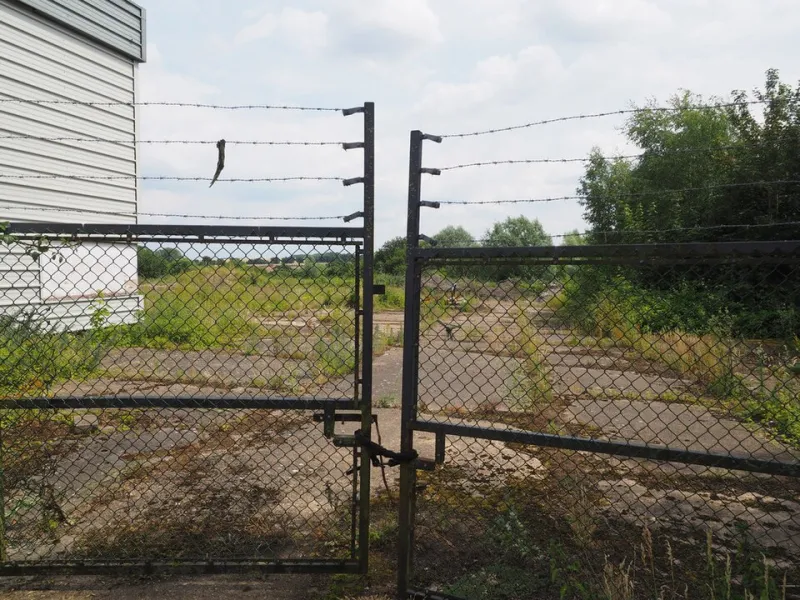
Photo: David Pashley , CC BY-SA 2.0, via Wikimedia Commons
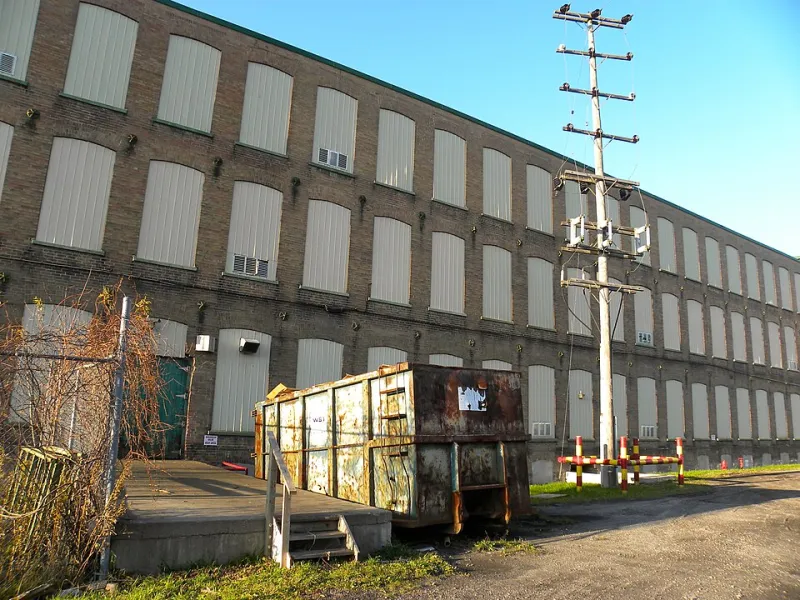
For most of the twentieth century, the geography of the American company town was simple: the corporation owned everything — the mill, the stores, the houses, and the ground beneath them. When the plant closed, that ownership often evaporated into bankruptcy proceedings or tax foreclosure, leaving behind a strange void. The land had no clear future and no clear steward.
Today, that void is becoming the site of an experiment. From the coalfields of Appalachia to the iron ranges of Minnesota, former industrial parcels are being transferred into community land trusts, conservation easements, and municipally governed commons. It sounds like a tidy ending. In practice, it is one of the most contested questions in American reclamation: who decides what cleaned-up land becomes?
The Vacuum After the Employer Leaves
When a single company dominates a town's economy and its real estate, its departure creates more than unemployment. It creates a governance gap. Tax-delinquent parcels pile up. Title histories grow murky. Contamination — slag, ash, solvents, tailings — remains, but the entity responsible for it may no longer exist in any meaningful legal form.
Into that vacuum have stepped land trusts, some organized by former employees, some by county governments, some by national nonprofits with restoration budgets. The model is appealing: a trust can hold title, manage liability, coordinate cleanup, and eventually lease or transfer land for public use — trails, housing, farmland, solar arrays.
But the transfer of land is not the same as the transfer of power.
Who Counts as the Community?
The word "commons" carries a warm glow, but every commons has boundaries, and every boundary excludes someone. In several former mining counties, trust boards have been dominated by longtime landowners and business interests, while renters — often the same families who lived in company housing for generations — have had little formal voice. In other cases, tribal nations have asserted interests in landscapes that state and corporate records never acknowledged.
Environmental justice advocates point out a pattern: the parcels most often chosen for early public reuse are the ones with the highest redevelopment potential, while the most contaminated tracts — frequently adjacent to the neighborhoods of former mill workers — linger in a holding pattern. The commons, in other words, can reproduce the geography of the company town it replaced, just with softer language.
Some trusts are pushing back against that pattern. A growing number now require resident seats on their boards, publish cleanup timelines publicly, and prioritize uses — community gardens, workforce housing, healing forests — that serve the people who breathed the smoke rather than investors who see acreage.
Liability Never Really Retires
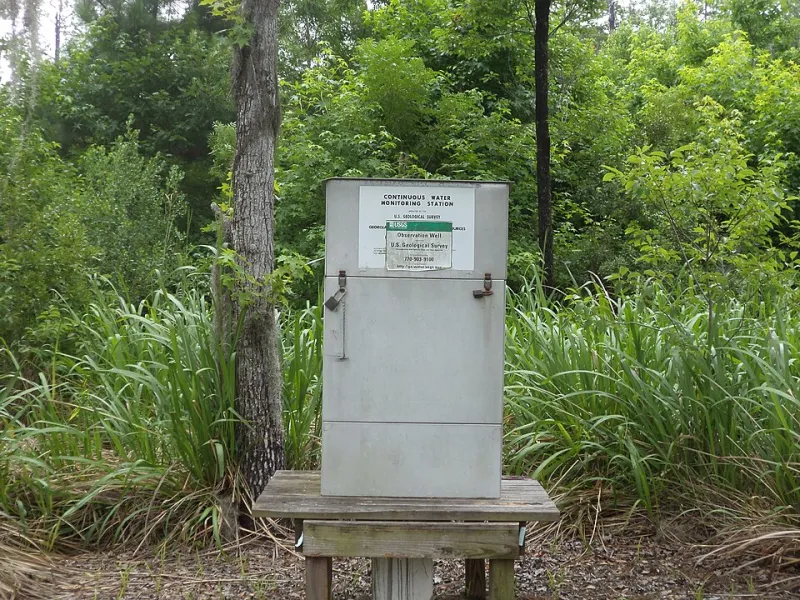
The hardest constraint on any return to common ownership is legal rather than philosophical. Federal and state cleanup frameworks impose ongoing obligations — caps that must be maintained, groundwater that must be monitored, institutional controls that restrict digging or drilling. A land trust that accepts a parcel accepts those obligations, sometimes in perpetuity.
This is why the fine print of a transfer matters as much as the ribbon-cutting. Who pays when a cap fails? Who holds the monitoring data, and is it accessible to residents? Can the land ever be re-designated for a use the original cleanup never anticipated? Attorneys who specialize in these transactions describe them as "marriages with the past" — the new owner inherits not just acreage but decades of decisions made before anyone asked the public's opinion.
What a Democratic Reclamation Might Look Like
The most promising models share a few traits. They separate the cleanup phase, funded by enforcement or settlement dollars, from the stewardship phase, funded by endowments or tax districts — avoiding the trap of building a commons on a budget that expires. They treat residents as co-authors of reuse plans rather than audiences for them. And they write the community's role into the deed itself, so that future boards cannot quietly reverse it.
In a handful of former coal and steel communities, residents have begun drafting what they call "commons charters" — documents specifying that cleaned land shall remain publicly accessible, that monitoring results be posted in plain language, and that any future sale require a community vote.
None of this is easy, and none of it is fast. But the underlying principle is quietly radical: that land extracted for private profit, poisoned in the process, and abandoned by its owner owes its next chapter to the people who lived with the consequences. Reclamation, at its best, is not just the repair of soil. It is the repair of the claim a community has to its own ground.