Waiting Out the Decades: The Families Who Grew Old Beside a Superfund Site
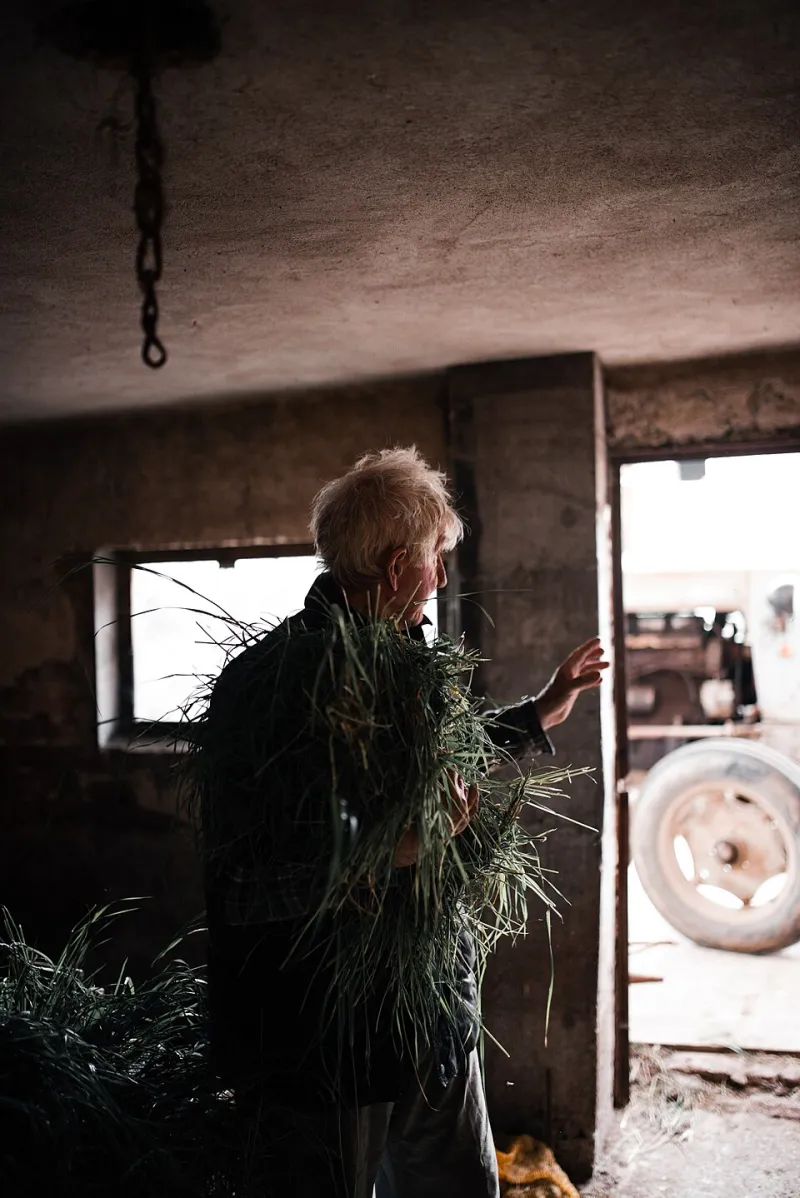
Photo: Shixart1985, CC BY 2.0, via Wikimedia Commons
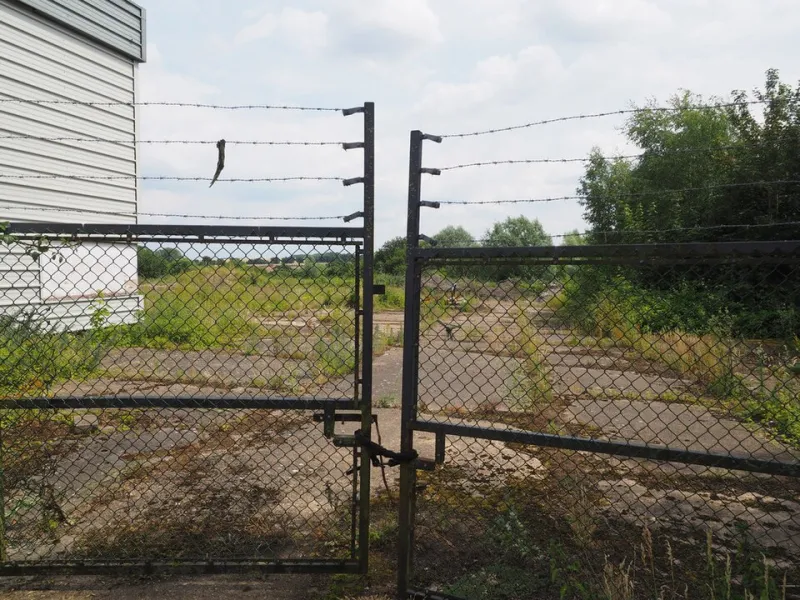
The sign at the edge of the valley still reads the way it has since 1983: a yellow warning, a list of contaminants, a phone number that has changed operators at least five times. Behind it, the fields stretch out flat and quiet, untended for so long that the fence posts have rotted at the base. The soil beneath them has been tested, litigated, capped in places, and tested again. What it has not been is farmed.
For the families who own this ground, the contamination was never an abstraction. It was the reason a grandmother stopped canning her own tomatoes. It was the word that surfaced in a county meeting in the 1980s and never really left the room. And now, as the final phase of remediation moves through its last scheduled seasons, many of the people who fought longest for a cleanup are in their seventies and eighties — old enough to remember the last real harvest, and uncertain they will see the next one.
A Cleanup Measured in Generations
Superfund timelines are notoriously long, but the human arithmetic behind them is rarely examined. A remediation plan that spans twenty-five years can consume an entire working life. Children who were teenagers when the first consent decree was signed are now retiring themselves, and the original plaintiffs — the ones who could describe, from memory, what the water tasted like before — are passing away at a steady rate.
Estate attorneys in affected counties have begun to see a familiar pattern: land held in probate not because anyone wants to farm it, but because no one is sure what it is worth. Cleanup status, deed restrictions, and institutional controls all complicate inheritance. Some heirs discover that the family's most valuable asset carries a legal history they barely understand.
The Question of Planting Again
Remediation, when it arrives, does not answer the question most families actually have: Is it safe to grow food here? Regulatory closure and personal confidence are different things. Soil test results published in technical appendices do not easily translate into a decision about putting a garden where a garden once was.
Extension agents and university researchers in several affected states report a slow uptick in requests for guidance on post-remediation farming. The science offers real tools — raised beds, clean fill, pH amendment, targeted soil replacement — but the decision is rarely technical alone. It is also emotional, and in many cases generational. A daughter who watched her mother abandon the orchard may not trust a remediation report that says the ground is clean.
Selling, Staying, or Splitting the Difference
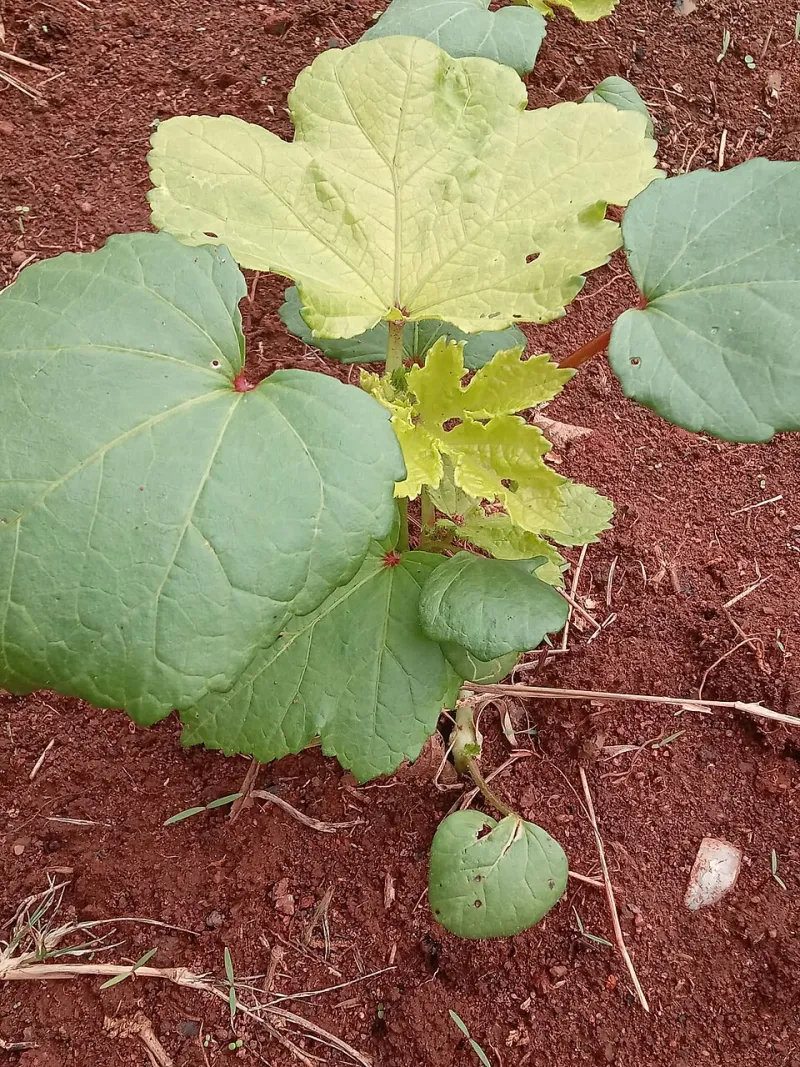
Three broad paths have emerged among aging landowners. Some sell, often at prices discounted by the site's history, and the parcels frequently pass to buyers with no connection to what happened there. Some hold, keeping the land fallow as a kind of testimony. And a smaller group — the one restoration advocates watch most closely — chooses to plant again, sometimes in partnership with younger family members or beginning farmers willing to work remediated ground.
That last path carries the most symbolic weight, and the most risk. A successful first season on cleaned land can restore more than soil fertility; it can restore a community's sense that the damage was not permanent. A failed one — a bad test result, a crop that won't take — can reopen wounds that the legal process had supposedly closed.
Who Inherits the Waiting
What happens to a fight when the fighters are gone? In several communities, the answer has been second-generation advocacy groups, staffed by adult children who grew up hearing about the contamination at the dinner table. These groups often shift the focus from litigation to stewardship: monitoring long-term maintenance of caps, pressing agencies on five-year reviews, and documenting oral histories before the original witnesses are gone.
There is a quiet injustice in this inheritance. The generation that suffered the exposure spent its prime years fighting for remedy; the generation that follows spends its energy on enforcement of a promise already made. Deferred restoration does not merely delay healing — it transfers its burdens downward.
What the Valley Teaches
The lesson for policymakers is uncomfortable but simple: cleanup schedules are human schedules. Every decade of delay is not just a line item deferred but a cohort of stakeholders aging out of the process, taking with them institutional memory, community cohesion, and the lived expertise that makes oversight meaningful.
For the families in the valley, the end of the cleanup is arriving not as a triumph but as a fork in the road. Some will plant. Some will sell. Some will leave the fields to the children, along with the files, the lawsuits, and the memory of what the land was before. Reclamation, in the fullest sense, was supposed to give that choice back. Whether it arrives in time is the question this generation cannot afford to defer again.