The Surface Ledger: Why a Plugged Orphan Well Is Not Yet Reclaimed Land
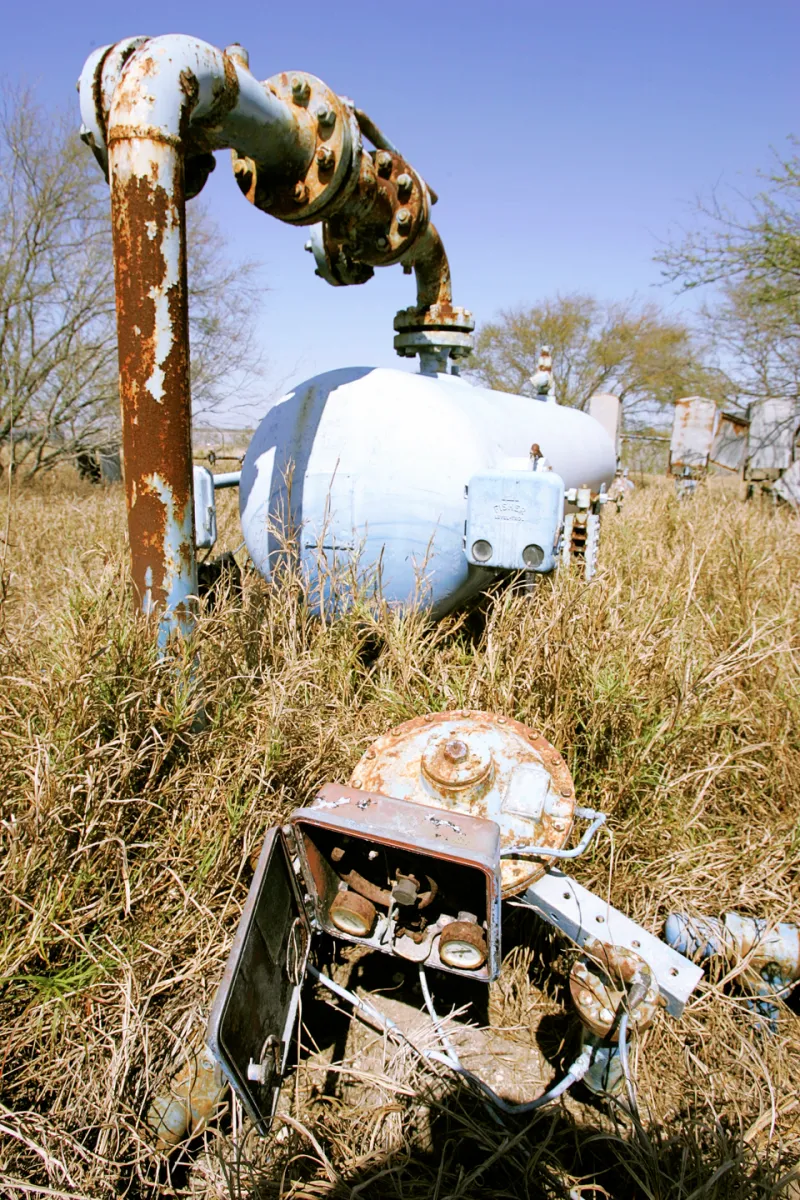
Photo: Hillebrand, Steve, USFWS, Public domain, via Wikimedia Commons
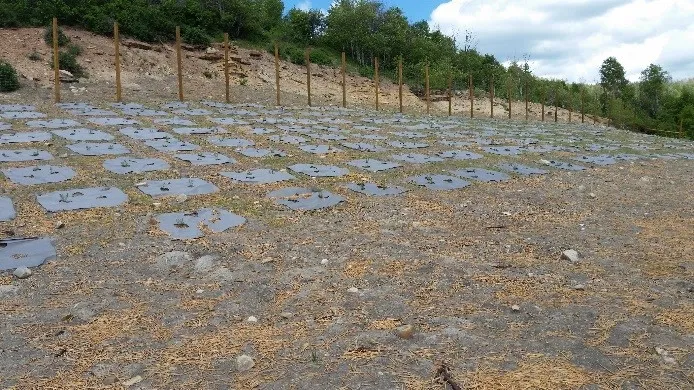
On a hillside in western Pennsylvania, a wellhead that once leaked methane into a streambank now sits under a fresh cement cap. The plug is in place. The state's orphan well crew has moved on. What remains is a gravel pad the size of a tennis court, a rutted access road that channels stormwater toward a culvert, and a crescent of bare, salt-burned soil where brine once pooled.
The well is, by the most common regulatory measure, closed. The land is not.
That gap — between a plugged borehole and a reclaimed surface — is the quiet center of the orphan well problem in the United States. Federal and state programs have spent billions since 2021 to seal abandoned oil and gas wells, largely to stop methane emissions and eliminate explosion risks. Those are urgent goals. But the budgets, reporting metrics, and public case files often treat the plug as the finish line. The pad, the road, the compacted subsoil, and the vegetation that never came back are left to another ledger.
Two Jobs, One Word
In oilfield parlance, "plugging" is a downhole operation. Crews clear the wellbore, set cement barriers at intervals, and verify that gas and fluids are confined. It is technical, expensive, and measurable. "Reclamation" is a surface operation: removing equipment and gravel, regrading the site, restoring topsoil, controlling erosion, and reestablishing vegetation. It is slower, site-specific, and often judged by whether the land can return to its prior use — pasture, cropland, forest, or simply stable ground.
Regulatory frameworks do not always treat the two as a single obligation. In several states, orphan well programs are funded and tracked primarily by the number of wells plugged. Surface restoration may be authorized, encouraged, or partially funded, but it can fall outside the core performance measure. When money is tight, the plug wins. It is the hazard with a visible plume and a federal grant formula.
The result is a growing inventory of sites that are safer underground but unfinished above. Pennsylvania's orphan well program, one of the oldest and most active, has plugged thousands of wells; state documents and landowner accounts describe surface work that ranges from complete to minimal depending on the site and the funding year. Ohio, Kentucky, West Virginia, and Texas face variations of the same arithmetic. The hole is gone. The scar remains.
The Salt Scar and the Gravel Pad
The surface legacy of an orphan well is rarely dramatic. It is ordinary damage, repeated across tens of thousands of sites. A gravel pad compacts the soil and alters drainage. An access road becomes a channel for runoff, cutting gullies during summer storms. Brine spills leave patches of high salinity where little grows. Invasive species move into disturbed ground before native plants can reestablish. On slopes, the loss of vegetation can trigger erosion that persists long after the well is sealed.
These are not cosmetic issues. They affect whether a landowner can graze livestock, plant a crop, or sell a parcel without disclosure. They affect water quality when sediment and residual salts move offsite. And they affect the credibility of reclamation as a public investment: a site that is plugged but left bare is a visible reminder that closure was defined narrowly.
Some states have begun to treat surface reclamation as part of the same job. Pennsylvania's Department of Conservation and Natural Resources and its orphan well program have combined plugging with site restoration on state forest land, using federal funds to remove pads and roads and to replant native species. Ohio's orphan well program has similarly bundled some surface work with plugging contracts. But these remain project-level choices rather than a uniform standard.
Who Pays for the Ground?
The financing explains much of the inconsistency. Orphan wells are, by definition, wells whose responsible operator is gone or insolvent. Bonds posted decades ago were often calculated at a fraction of true plugging costs, let alone surface restoration. When a company forfeits, the state inherits the difference.
The federal orphan well program created by the 2021 infrastructure law changed the scale of available money, but it did not erase the accounting divide. Grants are distributed through state programs, and states set their own priorities. Plugging is the common denominator because methane reduction and safety are the program's stated purposes. Surface reclamation competes for the same dollars and is sometimes treated as a separate, lower-priority line item.
Landowners are left in an ambiguous position. They may own the surface while the state holds responsibility for the well. They may be asked to sign access agreements, host equipment, and accept a plugged well on their property without a clear timeline for the pad removal or reseeding. In some cases, they pay for soil tests or grading themselves. In others, the site simply remains in a kind of administrative limbo — plugged, inspected, and officially closed, but not restored.
A More Honest Closure Standard
A fuller standard would not require every orphan well site to become a prairie. It would require that the surface be accounted for at the moment the plug is planned. That means a site-specific reclamation plan before the crew arrives: what will be removed, what will be regraded, what soil tests will be done, what seed mix is appropriate, and who will monitor the site after the equipment leaves. It means tracking "reclaimed" as a separate metric from "plugged," so the public can see the difference between a sealed hole and a restored parcel.
Some of this is already happening in scattered form. State programs that bundle plugging and surface work show that the two can be contracted together. Restoration ecologists have developed low-cost methods for saline soil remediation and native revegetation on disturbed pads. Landowner sign-off, though not a substitute for regulatory standards, can catch problems that a desk review misses.
The harder question is definitional. If a well is plugged but its pad still sheds sediment into a creek, is it closed? If the land cannot support the use it had before drilling, has reclamation occurred? The word "plugged" answers a downhole question. The ground above is asking a different one.
In 2026, as federal orphan well funds continue to flow and states refine their programs, the opportunity is to make the surface ledger visible. Plugging stops the leak. Reclamation returns the land. A program that claims the first while leaving the second unfinished is not yet done with the job.