A Swing Set on a Cap: Rethinking Parks Built Over Contamination
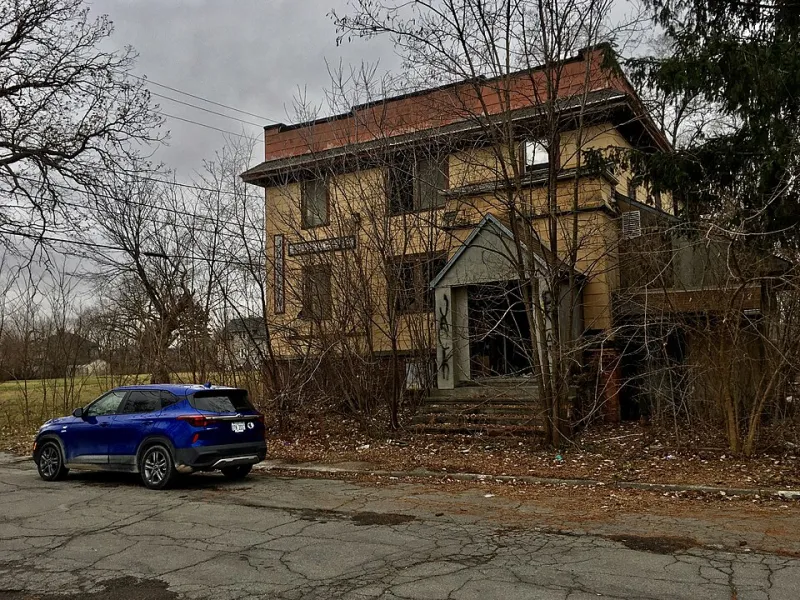
Photo: Andre Carrotflower, CC BY-SA 4.0, via Wikimedia Commons
The Tempting Arithmetic
There is a version of this story that city hall loves to tell. A derelict industrial parcel — a former smelter, a shuttered gasworks, a rail yard with a century of spills soaked into its ground — is transformed into a shining public park. The cleanup, we are told, cost a fraction of full remediation. The tax base gains a civic amenity. Children gain ballfields. Everyone wins.
The arithmetic is genuinely tempting. Full excavation and off-site disposal of contaminated soil can run into the tens of millions of dollars for a single urban parcel. Capping the site — covering the contamination with an engineered barrier of clean soil, geomembrane, and turf — often costs a tenth as much. For fiscally strained municipalities, especially post-industrial cities in the Rust Belt and New England, the choice can feel less like a choice than a default. The park gets built on the cap.
We should be honest about what this bargain is: it is a decision to leave contamination in place beneath the feet of the public, managed indefinitely by an institution whose maintenance budgets are set annually and politically.
What a Cap Actually Is
An engineered cap is not magic. It is a layered system — typically a low-permeability barrier, a protective soil layer, and a vegetated surface — designed to keep people from direct contact with what lies beneath and to limit water percolating through contaminated material. Caps work, when they are new and maintained. The Environmental Protection Agency's own five-year review process exists precisely because these systems degrade.
And degrade they do. Tree roots penetrate. Burrowing mammals tunnel. Freeze-thaw cycles heave surfaces. Utility crews cut through caps to reach water lines and forget to repair them properly. Ballfields, in particular, are hard environments: cleats, grooming equipment, and constant foot traffic all stress the uppermost layer — the very layer that stands between a child and the contamination below.
This is where the maintenance-funding question becomes a health question. A cap without a dedicated, funded inspection and repair program is a promise made by one administration and kept — or not — by the next. Too few of these parks carry an endowment or a trust mechanism. The maintenance line item competes with police, fire, and pensions, and it loses.
Who Lives Downstream of the Decision
Here is the part of the bargain that rarely makes the ribbon-cutting speech. The communities most likely to receive capped parks instead of fully remediated land are the same communities that have historically hosted the pollution in the first place. In city after city, the map of capped brownfield parks overlaps almost exactly with the map of lower-income neighborhoods and communities of color.
Residents are frequently presented with a false choice: a park on a cap, or no park at all — and no cleanup either. That framing deserves scrutiny. A genuinely clean site is often achievable; it is simply expensive, and the expense is borne by whoever can be made to absorb it. When the absorber is a neighborhood with the least political leverage, the savings are not neutral. They are extracted.
There are better models. Some cities have negotiated restricted-use covenants paired with dedicated maintenance trusts funded by the responsible party. Some states require long-term stewardship plans with guaranteed funding before a cap can be approved under recreational use. These arrangements are not utopian — they exist, and they can be required.
A Standard Worth Demanding
The position of this publication is not that parks on former industrial land should never be built. Green space is a public good, and reclaimed land is our reason for existing. The position is that "greenspace as cleanup" must never be the cheaper substitute for cleanup itself.
Three conditions should be non-negotiable before a ballfield goes on a cap: a fully remediated alternative must be costed and publicly considered, not just the capped option; a permanent, funded maintenance and monitoring program must be established before opening day, not promised after; and the affected community must have genuine authority in the decision, including the right to refuse a capped park and demand excavation.
A swing set on a cap can be a fine thing. But it should be built because a community chose it with open eyes — not because it was the cheapest way to make a liability disappear into the landscape.