When the Polluter Walks Away: Following the Money After Corporate Bankruptcy
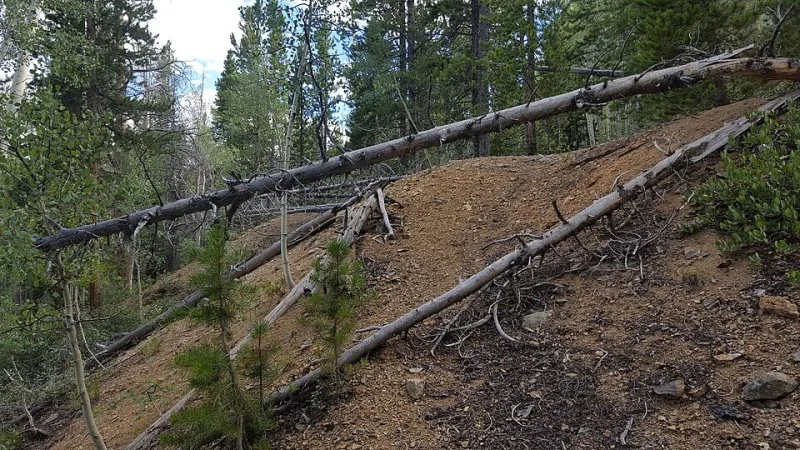
Photo: D&RG Railfan, CC BY 3.0, via Wikimedia Commons
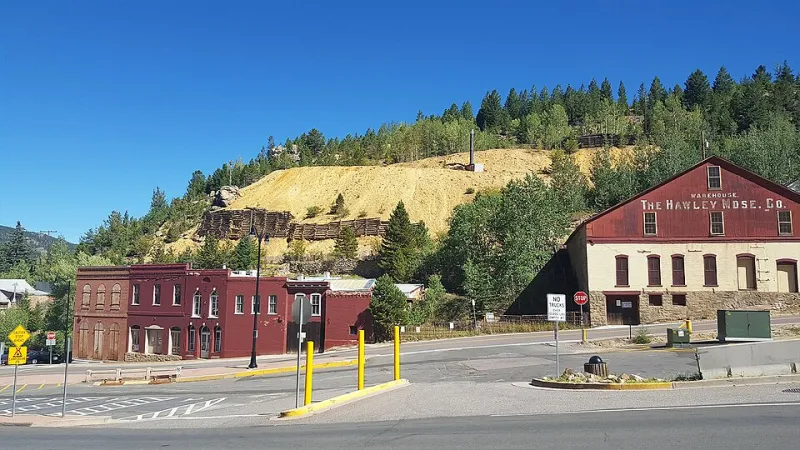
The mine outside metal mark, Colorado, still holds a tailings pile the size of a city block. The company that owned it spent its final years selling equipment to stay solvent, then filed for Chapter 11 and left behind a reclamation plan that no longer had anyone to execute it. The state's bonding program covered a fraction of the projected cost. The rest became a line item in the county budget — and, eventually, a burden on taxpayers who never signed off on the original operation.
This scenario repeats across the United States with troubling regularity. Understanding how it happens requires following money through three distinct channels: federal Superfund appropriations, state reclamation bonding programs, and the quiet arithmetic of bankruptcy proceedings.
The Bond That Wasn't Enough
Most states require mining and industrial operators to post surety bonds or financial assurance before breaking ground. The theory is sound: if the operator defaults, the bond funds reclamation. The practice is shakier. Bond amounts are often calculated at permitting time using cost estimates that lag behind actual cleanup expenses, sometimes by decades. Inflation, revised environmental standards, and newly discovered contamination can triple the real price of restoration while the bond sits unchanged.
Several state programs now face structural shortfalls. Wyoming's abandoned mine land fees, Pennsylvania's growing inventory of orphaned well sites, and bond pools in the coal-producing states of Appalachia all illustrate the same pattern: liabilities accumulate faster than the financial instruments meant to cover them.
Bankruptcy as an Exit Strategy
Federal law is supposed to prevent companies from shedding environmental obligations. Under the Superfund statute, liability is strict, joint, and several — meaning a bankrupt company's share doesn't simply evaporate. But bankruptcy courts operate under different priorities. When a judge reorganizes a debtor's obligations, environmental cleanup claims compete with pension obligations, secured creditors, and operational costs. Cleanup liabilities frequently get restructured, deferred, or transferred to a shell entity with no assets.
The result is a category of sites regulators call "orphaned" — contaminated properties with no viable responsible party. The EPA's Superfund program, funded through congressional appropriations and a lapsed industry excise tax that was only reinstated in 2022, becomes the backstop. Appropriations have never matched the scale of the orphaned-site inventory, which is why cleanup timelines at many sites stretch past twenty years.
Who Actually Pays
The distribution of costs is rarely visible to the public, but it follows a predictable path:
- Taxpayers at the federal level, through Superfund appropriations that cover sites where responsible parties are insolvent or unidentifiable.
- State taxpayers, through bonding programs that must honor reclamation obligations when surety claims fall short.
- Local governments, through lost tax revenue, depressed property values, and the municipal costs of fencing, monitoring, and emergency response at abandoned sites.
- Neighboring landowners, whose groundwater and property values absorb contamination that no one is legally obligated to remediate.
Economists sometimes describe this as a subsidy — an unpriced transfer of industrial profit into public liability. Communities on the receiving end rarely use that language. They describe it as living with someone else's debt.
Reform Efforts and Their Limits
Some states have tightened financial assurance rules, requiring third-party guarantees or letters of credit rather than self-bonding, which historically allowed companies with adequate balance sheets to promise their own solvency. The coal industry's wave of bankruptcies between 2012 and 2019 — including the collapse of major operators holding billions in reclamation liabilities — pushed several legislatures to close the self-bonding loophole entirely.
Federal attention has followed. The reinstated Superfund excise tax on chemical manufacturers marks the first new revenue for the trust fund in over two decades, though appropriations still depend on annual congressional action. Advocates for stricter rules argue that financial assurance should be reviewed annually and sized to third-party cleanup costs, not operator estimates.
The Land Remains
Bankruptcy law resolves debts between parties. Land is not a party. The tailings pile outside metal mark will outlast every court order that touched the company that created it, and the communities downstream of similar sites across the country inherit the residue of legal resolutions that never accounted for them.
Restoration, when it happens, happens because public money arrives — slowly, partially, and years after the profit left town. Any honest accounting of land reclamation costs has to start with that fact: the ground remembers what the balance sheet forgives.