Lessons After the Last Bell: Relocating a School Off Poisoned Ground
A Sample That Changed Everything
It began, as these things often do, with routine testing ahead of a modest renovation project. A consultant's core samples taken beneath the playground of a small elementary school came back with arsenic and lead concentrations well above residential screening levels. Within weeks, the district had a preliminary report, a growing legal file, and a problem no school board manual adequately addresses: what do you do when the ground under a school is the hazard?
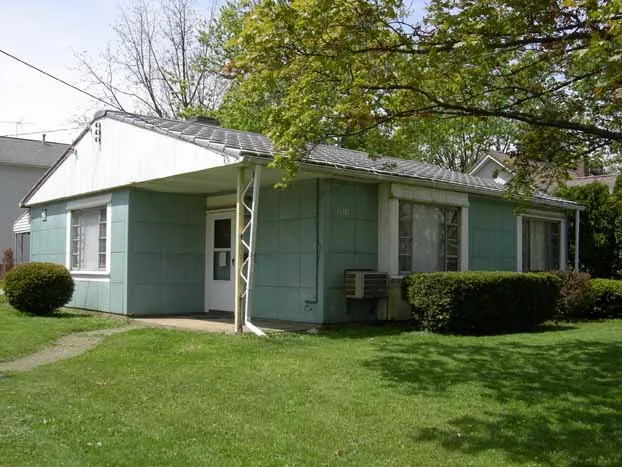
For the families in this district — a working-class community of modest homes and aging infrastructure — the discovery landed hard. Children had played on that grass for decades. Teachers had planted gardens. The building itself was the community's most visible public institution, a place where generations had learned to read.
The Decision to Walk Away
Remediation estimates arrived first, and they were sobering. Excavating contaminated soil, capping the site, and installing engineered controls would cost several times the appraised value of the property. And even a fully remediated campus would carry a permanent institutional stigma — the kind of disclosure requirement and maintenance obligation that follows a site long after the last truck hauls fill away.
The school board faced a choice that more districts are quietly confronting as environmental screening improves: spend scarce education dollars fighting the land, or move. After months of public meetings, the board voted to relocate. Students would be bused to a former middle school across town while the district pursued land for a new campus.
Backlash and Broken Trust
The decision fractured the community. Some parents felt vindicated; others accused the board of overreacting and draining resources from classrooms. Property values near the old school wobbled, then settled lower. Longtime residents asked an uncomfortable question: if the ground was bad enough to abandon a school, what did that mean for the houses around it?
State environmental officials eventually confirmed the contamination was largely historical — likely tied to an industrial use predating the neighborhood — and that residential risk varied block by block. That nuance did little to calm the anxiety. Environmental harm, once named, is difficult to un-name.
The Building Nobody Wants
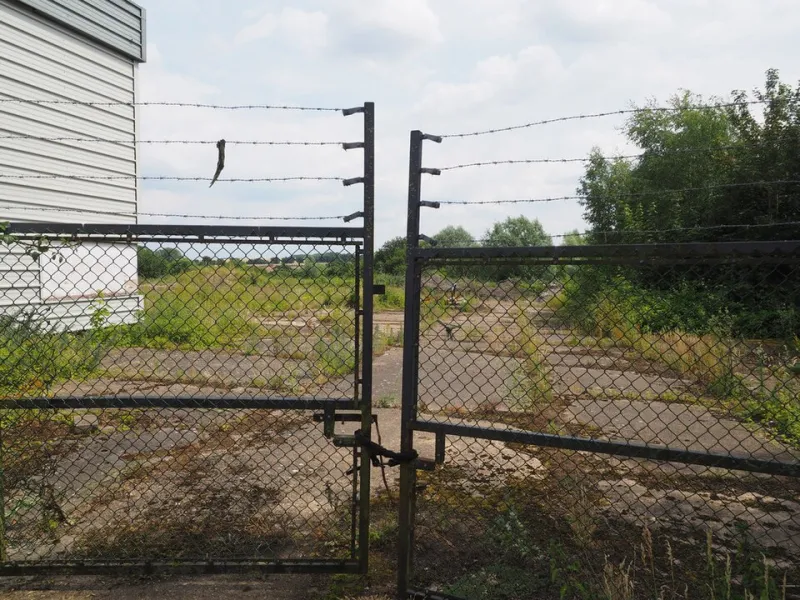
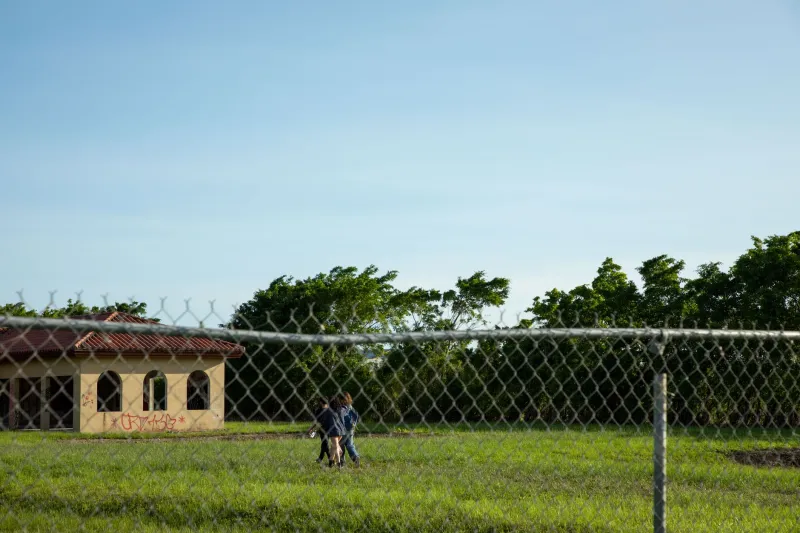
The abandoned school now sits behind chain-link. Demolition is the most likely outcome; options for reuse are limited when a site carries an environmental covenant. The district is still negotiating with state agencies over cost recovery, a process that can stretch on for years. Meanwhile, the new campus — built on land vetted before purchase — opened to cautious relief and a permanent reminder in the form of a soil management plan filed alongside the blueprints.
What Communities Should Ask Before the Tests
The lesson here is not that schools should fear their own ground, but that environmental due diligence belongs in school district planning the way roof repair does. Districts sitting on former industrial land, fill of unknown origin, or sites near legacy smelters and dry cleaners should know their soil history before a renovation forces the question. And when contamination does surface, communities deserve a transparent accounting of the trade-offs — because relocating a school is not just a construction decision. It is a community deciding, in the most literal sense, where it stands.