Paper Walls: The Zoning Codes That Keep Cleaned Land Out of Reach
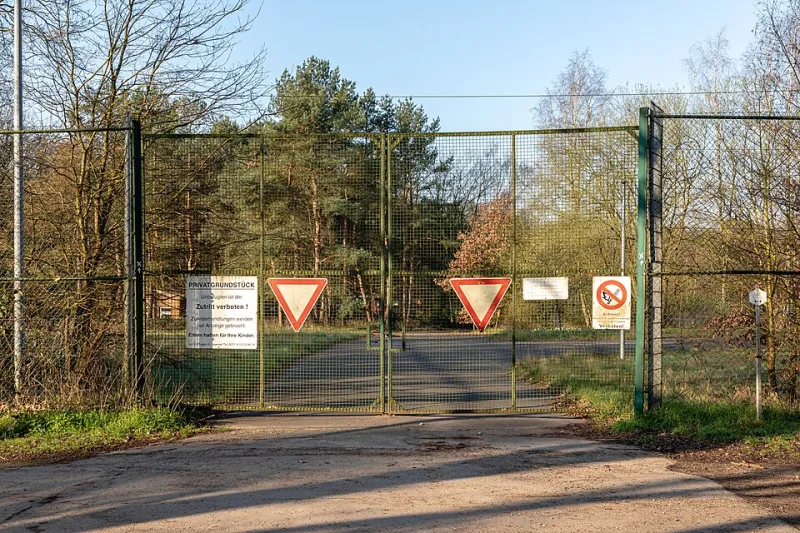
Photo: Dietmar Rabich, CC BY-SA 4.0, via Wikimedia Commons
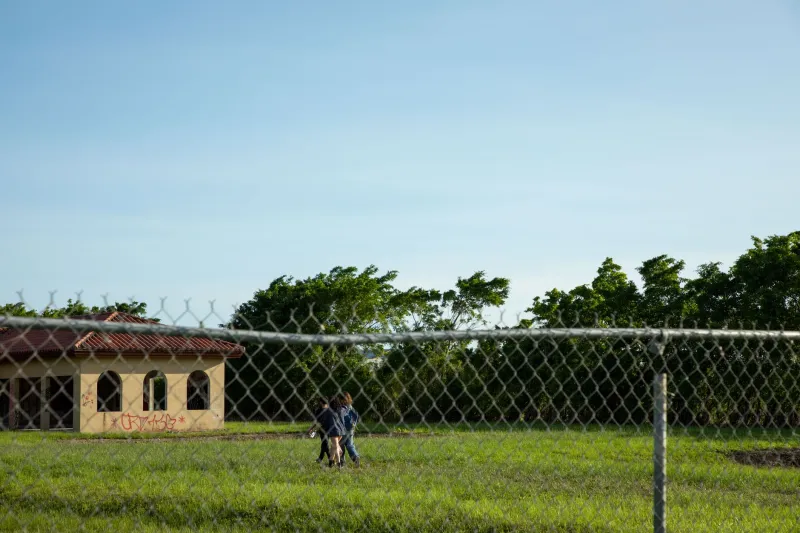
The excavators left months ago. The monitoring wells read clean. State regulators signed off, and a ceremonial shovel photo marked the end of contamination at a riverside parcel that had spent eighty years as a metals fabricating plant. Yet on a gray Tuesday morning, the site still sits empty behind chain-link — not because anyone doubts the soil, but because the zoning map says this ground may only host warehouses, and a deed restriction recorded decades ago prohibits any use where people might spend more than a few hours a day.
This is the quiet afterlife of American land reclamation: cleanup succeeds, and the land still cannot be used.
The Restriction That Outlives the Risk
Institutional controls — the legal instruments layered over remediated sites — were conceived as a bridge. When full removal of contamination was impractical, regulators engineered a compromise: cap the soil, monitor the groundwater, and record a restriction ensuring no one plants a garden or drills a well until the risk horizon passes.
The problem is that these instruments were never designed to expire gracefully. Environmental covenants run with the land, binding successive owners indefinitely unless someone petitions to amend them — a process that can cost tens of thousands of dollars in legal and engineering review. Meanwhile, the underlying zoning, drafted in an era when smokestacks defined the waterfront, often remains untouched even after remediation is complete.
The result is a peculiar bureaucratic paralysis: a parcel can be simultaneously clean enough for residential standards on paper and legally forbidden from hosting residences. Planners call this the use gap. Residents call it something less charitable.
When the Housing Crisis Meets the Old Map
The stakes have never been higher. With much of the country short millions of housing units, cities from Providence to Portland are scouring their inventories for buildable ground — and former industrial parcels, often near transit and downtown jobs, are the obvious candidates. Federal brownfield grants have flowed accordingly, funding assessment and cleanup at a record pace.
But remediation grants do not rezone. In several mid-sized Midwestern cities, cleaned riverfront acreage has sat in industrial classification for a decade or more after remediation, because changing the designation requires a public hearing process that industrial landowners and sometimes labor interests resist. The paradox is sharp: the very neighborhoods that bore the pollution burden — disproportionately low-income communities and communities of color — are often the ones locked out of the benefits when the land finally heals.
Advocates argue this is an environmental justice failure by omission. Cleanup without usable land is a promise half-kept.
The Communities Rewriting the Rules
Change is coming, but from the ground up rather than the top down.
In Massachusetts, a coalition of neighborhood associations persuaded their planning board to adopt an overlay district that automatically triggers residential rezoning review whenever a formerly contaminated parcel completes state cleanup standards — removing the discretionary hurdle that had stalled conversions for years. In Ohio, a county land bank has made covenant amendment a standard line item in its redevelopment budgets, treating legal cleanup the same way it treats physical cleanup: as a cost of doing business, not an afterthought.
Some states are modernizing the instruments themselves. Amendments to uniform environmental covenants in several legislatures now require regulators to review restrictions periodically and sunset those no longer supported by monitoring data — a modest reform that transforms perpetual fences into graduated ones.
Community land trusts offer another path. By taking ownership of remediated parcels, trusts can negotiate restrictions directly with regulators and guarantee that whatever gets built — gardens, affordable duplexes, a childcare center — remains permanently affordable rather than flipping to speculative warehouse development the moment the cap is certified.
What a Modern Map Would Look Like
The reform agenda, advocates say, is unglamorous but concrete. Zoning codes should be required to reconcile with cleanup records, so that a parcel certified for residential use is not stranded in an industrial category. Institutional controls should carry review dates, not just effective ones. And planning boards should treat the end of remediation as a beginning — an automatic trigger for use review, not a moment for the file to gather dust.
None of this diminishes the importance of institutional controls where genuine long-term risk remains. Groundwater does not respect property lines, and caps do fail. The point is that restrictions should track actual risk, not administrative inertia.
The parcel behind the chain-link fence is clean. The science says so, the monitoring data says so, the state says so. The only thing standing between that ground and the families who need it is paper — and paper, unlike soil, can be rewritten.